Power Systems Foam Rollers Review: The Basics of Recovery Rolling
If you are new to self-myofascial release, you do not need a motorized device or a $100 specialty tool. You need a dense, stable cylinder that you can roll over tight muscles without it bending or crumbling. That is exactly where Power Systems Foam Rollers fit. They are the standard-issue equipment you see in high school gyms, physical therapy offices, and hotel fitness rooms for a reason: they are durable, affordable, and designed to be used by a wide range of body types and skill levels.
Whether you are using a Power Systems foam roller after a heavy leg day or incorporating it into your morning mobility routine, the goal is the same. You want to reduce muscle tension and improve range of motion. These rollers are built to handle that job day after day, making them a practical first step for anyone serious about active recovery.
Quick Answer
| Best for | Skip if | One line |
|---|---|---|
| Beginners, gym-goers, and PT clinics needing a durable, no-frills roller. | You specifically need a vibrating roller for deep tissue or a soft, low-density roller for extreme sensitivity. | A reliable, high-density standard that prioritizes durability and affordability over luxury features. |
Swipe sideways to compare →
What actually changes the buy is fit, what you should skip, and which tradeoffs show up after week one — not a longer spec sheet. If you already know the job, see current options while you read the criteria.
What the Official Page Lists
Power Systems is a well-established name in the sports and fitness equipment space, known for supplying gear to schools, professional teams, and commercial fitness facilities. While specific technical specifications (such as exact PSI or material composition) can vary by the specific model in their lineup, the brand consistently positions its foam rollers as high-density, durable tools for professional and home use.
Because the brand offers multiple variations (including standard, textured, and smaller diameter options), you should verify the specific dimensions and surface texture on the official Power Systems product page before purchasing. For most users, the standard high-density roller is the recommended starting point.
What Reviewers Say
Reviews from YouTube say this about the Power Systems Foam Rollers.
On YouTube, a creator discussing recovery tools noted, "I don't really know what I'm doing, but what I do know is that I feel great and it helps with my recovery a ton." This sentiment highlights the primary benefit of the roller: it works. You do not need to be a massage therapist to get results; you just need to apply consistent pressure to tight areas. You can see current options.
Another video comparing different types of rollers emphasized the value of the basic option, stating, "But the next one I do think is worth buying if you're just getting into foam rolling, it is a really basic high-density foam roller." This aligns with the positioning of the Power Systems line. For beginners, the simplicity and density of the standard roller are often more beneficial than complex features, as they teach you proper form and provide sufficient pressure to break up knots.
Who It’s For
The Power Systems Foam Rollers are designed for a broad audience, but they shine in specific environments.
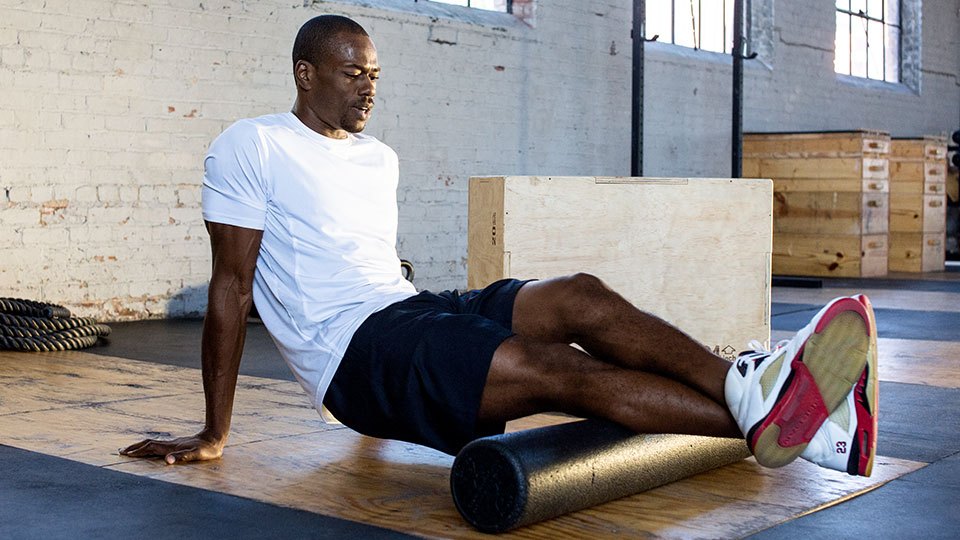
- Gym-Goers and Athletes: If you lift weights or run, you need a tool that can withstand heavy, frequent use. These rollers are built to handle the weight of an adult user without deforming, making them ideal for post-workout cooldowns.
- Physical Therapy and Clinics: Because of their durability and neutral design, these are the standard choice for PT offices. If you are following a therapist’s advice to roll out your IT band or calves, this is likely the type of roller they have in their office.
- Beginners: If you have never used a foam roller, starting with a high-density, smooth-surface model is often easier to learn on than a textured or vibrating one. It provides a clear feedback loop on where your muscles are tight. See options
You can find more on how to integrate this into your routine in our guide to post-workout recovery routines. You can see current options.
Who Should Skip
While a solid choice for most, this specific type of roller is not for everyone. Check the official listing before you buy.
- Those Seeking Deep Tissue Vibration: If you find that standard rolling is not enough to relieve deep muscle tension, you might benefit more from a vibrating foam roller. The Power Systems line focuses on static, high-density rolling, so it lacks the percussive action of a massage gun or vibrating roller.
- Users with Extreme Sensitivity: High-density foam is firm. If you have very low pain tolerance or are recovering from a specific injury that requires very light pressure, a softer, low-density roller or a lacrosse ball might be a better starting point.
- Those Needing Specialized Textures: If you specifically want a roller with aggressive nubs or ridges for targeted trigger point release, you may want to look at a textured model. The standard Power Systems roller is typically smooth, focusing on general muscle group release rather than pinpoint trigger point work.
Mid-check
If the criteria above already match how you actually use the space, stop here and check current options before you keep reading comparison noise. Confirm details on the current product page.
How to Choose in Five Minutes
If you are standing in front of a rack or browsing online, here is how to pick the right one in under five minutes:
- Check the Density: Look for "high-density" or "professional grade." You want a roller that does not compress significantly under your weight. If it feels like a yoga mat, it is too soft. It should feel like a firm, solid cylinder. See options
- Determine the Diameter: Standard rollers are typically 6 inches in diameter. This is the sweet spot for most adults. If you are shorter or have smaller frames, a 4-inch roller might be easier to control. See options
- Surface Texture: For general use, a smooth surface is best. It allows you to roll over large muscle groups (quads, lats, calves) without snagging or creating excessive friction. See options
- Verify the Brand: Ensure you are buying from a reputable source. Power Systems is a major supplier in the fitness industry, so you are getting a product that is tested for durability.
You can compare current options and prices by checking the latest deals on Power Systems gear.
FAQ
Are Power Systems foam rollers worth it? Yes, especially if you are looking for durability and value. They are the standard in many professional settings because they last a long time and perform consistently. If you are comparing them to cheaper, no-name rollers, the Power Systems version is generally more resistant to cracking and deformation over time.
How is this different from a vibrating foam roller? A standard foam roller relies on your body weight and movement to apply pressure. A vibrating roller adds mechanical percussion. If you are new to rolling, the standard Power Systems foam roller is often recommended first because it helps you learn where your muscles are actually tight without the distraction of vibration.
Can I use this for my back? Yes, but with caution. You can roll out your upper back and lats. Avoid rolling directly on your lower spine (lumbar region) unless specifically instructed by a physical therapist. Use the roller for the muscles surrounding the spine, not the spine itself. Check the official listing before you buy.
Where can I buy Power Systems foam rollers? They are widely available through major fitness retailers and online marketplaces. You can see current options and stock availability to find the best price near you.
Bottom Line
The Power Systems Foam Rollers are not the flashiest option on the market. They don’t have lights, Bluetooth, or a motor. But they do what they are supposed to do: provide a durable, high-density surface for effective self-massage. If you are looking for a tool that will last for years, survive heavy use, and help you recover from training, this is a no-brainer. It is the workhorse of the recovery world.
If you are ready to add one to your home gym or office, shop the current selection of Power Systems foam rollers to find the right fit for your space.
For more on building a complete recovery kit, check out our guide to essential home gym accessories. Confirm details on the current product page.
Sources
- YouTube Review — https://www.youtube.com/watch?v=-ZIQxwSsxk8&t=7s
- YouTube Comparison — https://www.youtube.com/watch?v=oLZ62XfQ5QQ
- YouTube Beginner Guide — https://www.youtube.com/watch?v=OG7z4wnaTWs&t=79s