Best Robot Vacuum: The Automation That Actually Works
You mopped the kitchen yesterday. By dinner, the dog has left a fresh fur line along the baseboards, and the afternoon sun is highlighting a grit trail from the front door to the coffee maker. A stick vacuum feels like a part-time job you didn’t apply for, but the floors won’t stay clean on their own. The promise of a robot is simple: set a schedule, walk away, and come back to a floor that doesn’t need a second look. The problem is that the market is flooded with jargon—LiDAR, obstacle avoidance, self-empty docks, mopping pads—and the gap between a mid-tier unit and a flagship can feel like a coin flip. Check the official listing before you buy.
What actually changes the decision
There are dozens of robot vacuums on the market, but most of the marketing noise revolves around three core capabilities: how it navigates, how it handles dirt, and how much maintenance it offloads to you. Navigation is the first filter. A camera-only robot will struggle in low light and may bump into furniture repeatedly, while a LiDAR unit builds a precise map of your home and cleans in straight, efficient lines. If you have dark hardwood floors or a complex layout, this distinction matters more than suction power. You can see current options.
The second filter is the dock. A basic charging dock means you empty the bin yourself every few days. A self-empty dock (sometimes called a "base station") sucks the debris into a larger bag that you change once a month or so. For pet owners, this is the difference between a convenience and a chore. The third filter is mopping. Many modern robots have a dual function, but the quality varies. Some just drag a damp cloth; others use oscillating pads and auto-refill water. If you have hard floors, this feature is a major time-saver. If you have only carpet, you can often ignore it. You can see current options.
| Feature | Why it matters | What to look for |
|---|---|---|
| Navigation | Determines efficiency and stuck-ness | LiDAR for precise mapping; camera for lower cost but more errors |
| Dock Type | Determines your maintenance frequency | Self-emptying dock for "set and forget"; charging-only for budget |
| Mopping | Determines hard-floor cleanliness | Auto-refill/oscillating pads for real cleaning; flat cloth for light dust |
| Obstacle Avoidance | Prevents chewing on cables/pet waste | AI/camera-based avoidance for busy households |
Swipe sideways to compare →
Our shortlist
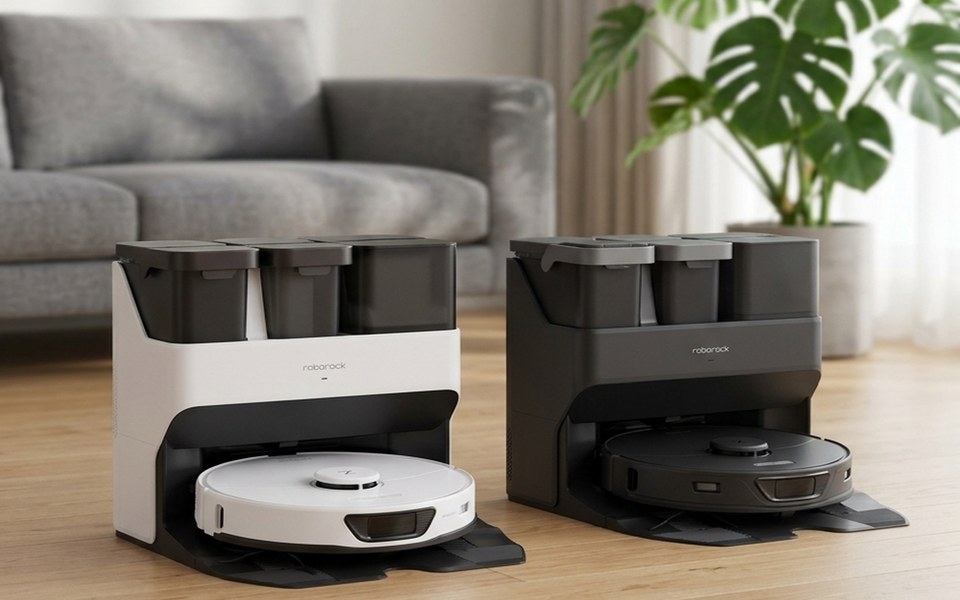
Roborock is the brand that most often lands in the "best overall" conversation for a reason: it has standardized the self-emptying dock and LiDAR navigation into a cohesive ecosystem. When you look at the current lineup, you’ll see models like the Roborock Saros 20 and the Roborock Qrevo CurvX, which sit at the top of the pyramid with advanced obstacle avoidance and robust mopping systems. These are the units for people who want the robot to handle 90% of the floor work without intervention. The brand’s site highlights these themes consistently: self-emptying docks and LiDAR navigation are the core pillars of their product design. This isn’t just marketing; it’s the infrastructure that allows the robot to map your home, clean it, and then empty its own bin so you don’t have to.
For most households, the mid-tier is the sweet spot. Models like the Roborock Q10 S5+ or the Roborock Qrevo S5V offer the same core benefits—LiDAR mapping and a self-empty dock—at a lower price point than the flagships. You might sacrifice some of the advanced AI obstacle avoidance or the highest suction power, but you gain the same "hands-off" experience. The key here is the dock. If you choose a model without a self-emptying base, you’re buying a robot that still requires weekly manual maintenance. That defeats the purpose for busy households. Roborock’s lineup is structured so that even the entry-level options often include a dock, which is a significant advantage over brands that treat the dock as an expensive add-on.
Alternatives to consider:
- iRobot (Roomba): If you prioritize brand longevity and a vast accessory ecosystem, iRobot is a strong contender. However, their navigation has historically lagged behind LiDAR-focused brands in terms of mapping precision, and their dock options can be more expensive.
- Ecovacs: A strong value option with aggressive pricing. Their Deebot line offers similar features to Roborock, but the app experience and customer support can be less consistent in some regions.
- Shark: A good choice if you already own other Shark products and want a unified app. Their Matrix Clean technology is a unique selling point for pet hair, but their navigation is often camera-based rather than LiDAR, which can be less efficient in large homes.
Mid-check
If you’re leaning toward a mid-tier model, the decision usually comes down to your floor type. For hardwood and tile, the mopping capability is a major plus. For carpet-heavy homes, suction power and brush design matter more. Roborock’s Q10 Series and Q7 Series are designed to handle mixed flooring well, switching between vacuum and mop modes automatically. If you’re unsure, start with a model that has a self-empty dock; you can always skip the mopping feature, but you can’t easily add a dock later without buying a new unit.
How to choose in 5 minutes
- Check your floor type: Hard floors? Prioritize mopping. Carpet? Prioritize suction and brush design. See options
- Count your pets: Two or more? You need a self-empty dock. One or zero? A basic dock might suffice. See options
- Assess your layout: Open plan? Any LiDAR robot will work. Many small rooms/doorways? Look for a slim profile and good obstacle avoidance. See options
- Set your budget: $500–$800 is the sweet spot for a mid-tier with a dock. $1,000+ gets you flagship features like advanced AI and hot water mopping. See options
- Verify the warranty: Roborock offers a 1-year warranty and free returns on their official site, which provides a safety net if the robot doesn’t fit your home.
FAQ
Is a robot vacuum worth it if I already have a good stick vacuum? Yes, if you value time over deep cleaning. A robot handles daily maintenance—dust, pet hair, and light debris—while your stick vacuum handles the occasional deep clean. The robot keeps the floor "presentable" so you don’t have to vacuum every day. Confirm details on the current product page.
Do I need LiDAR navigation? If you have a large home or complex layout, yes. LiDAR robots map your home precisely and clean in efficient lines. Camera-based robots are cheaper but can be slower and more prone to getting stuck. For most households, LiDAR is the better long-term investment. Confirm details on the current product page.
How often do I need to empty the bin? If you have a self-emptying dock, you can go 30–60 days before changing the bag. If you have a basic charging dock, you’ll need to empty the robot’s bin every 3–7 days, depending on pet hair and debris levels. Confirm details on the current product page.
What is the warranty on Roborock models? Roborock offers a 1-year warranty on their devices, which covers defects in materials and workmanship. They also offer free returns within 30 days of delivery, so you can test the robot in your home and return it if it doesn’t meet your needs.
Can a robot vacuum clean under furniture? Yes, most modern robots are designed to fit under low furniture. However, you should measure the clearance under your sofa and bed to ensure the robot can access those areas. If the clearance is less than the robot’s height, it will skip those spots. Confirm details on the current product page.
Bottom line
The best robot vacuum is the one that fits your home and your lifestyle. If you want to stop chasing pet hair and grit trails, a LiDAR-equipped robot with a self-emptying dock is the standard to beat. Roborock offers a wide range of models that balance these features with a 1-year warranty and free returns, making it a safe and reliable choice for most households. Start with a mid-tier model if you’re new to the category, and upgrade to a flagship if you want the latest in obstacle avoidance and mopping technology.
Related guides
Start with Roborock
- Strong brand ladder mid → premium
- Good fit for pets + hard floors
- Official store deep links available
Who should skip
- · You only need a 10-minute stick vacuum
- · You refuse any dock or app